
Introduction
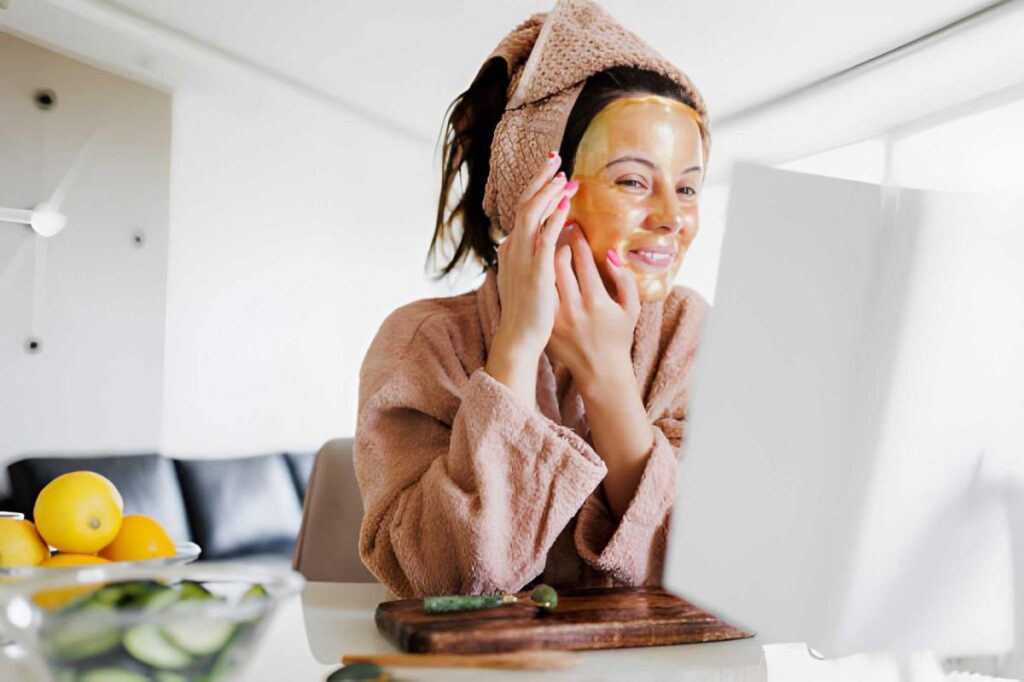
If you’re looking for a gentle yet powerful addition to your natural skincare routine, a honey face mask could be the answer. This golden, nutrient-rich ingredient has been used for centuries to hydrate and nourish the skin.
Using honey’s unique skin benefits in a face mask can address issues ranging from dryness and dullness to redness, acne, and early signs of ageing. Discover how a honey mask can boost your skin’s health and glow—naturally and effectively.
Why Honey Face Masks Are Popular in Natural Skincare
Throughout the beauty industry, honey’s reputation as a natural and beneficial ingredient for the skin continues to grow. Its proven benefits—hydration, antimicrobial protection, and soothing effects—make it an essential element of many skincare routines. People turn to honey because it delivers tangible results for a variety of skin concerns.
When used as a face mask, honey helps fight common skin issues like acne, redness, and inflammation. The humectant and antioxidant properties of honey provide a gentle yet effective treatment for almost all skin types, blending ancient wisdom with modern science.
Ancient Uses and Modern Trends
For thousands of years, honey has been a prized element in skincare rituals around the world. It is known that women in ancient Egypt used honey to soften and nourish their skin, valuing its natural healing properties. This tradition continues today, and the beauty industry is increasingly turning to honey for use in products known for its many benefits.
Modern trends not only highlight the history of honey but also its scientific credentials. Many dermatological studies support the efficacy of honey, citing its antibacterial, anti-inflammatory, and antioxidant qualities.
According to a peer-reviewed study, honey can eliminate a wide range of bacteria, making it a valuable resource for acne-prone skin. Similarly, dermatologists recognise honey’s ability to relieve irritation and strengthen the skin’s barrier function.
As noted by Dr Cynthia Cobb (DNP, APRN): “Generally, using honey on the skin is safer than using lemon; it’s gentler, more nourishing, and has a lower risk of triggering adverse reactions.” Backed by tradition and science, honey’s popularity in modern skincare shows no signs of abating.
What Makes Honey Unique for Facial Care
Honey is popular as a facial skincare ingredient thanks to its natural humectant properties: it draws moisture from the air into the skin, providing deep, long-lasting hydration. This extra hydration boost is essential for achieving smooth, soft skin—especially in dry or fluctuating climates.
In addition to its hydrating properties, honey’s enzymatic activity and antimicrobial activity distinguish it from other ingredients. Raw honey contains hydrogen peroxide and amino acids that gently cleanse the skin and protect it from bacteria and environmental stressors. Additionally, these natural enzymes allow honey to act as a gentle exfoliant, removing dead skin cells without irritation.
You’ll notice visible improvements with regular use: your skin will feel smoother, look more radiant, and show fewer signs of irritation. Honey’s gentle absorption helps your skin regain its natural glow and clarity, making it a unique addition to your skincare routine.
Key Benefits of Honey Face Masks for Different Skin Types
Honey face masks offer many benefits for all skin types. For dry or sensitive skin, honey hydrates and nourishes. Meanwhile, people with oily skin enjoy balanced sebum production and fewer breakouts. Even normal combinations and skin types benefit from honey’s ability to exfoliate and remove dead skin cells.
No matter your skin concern—whether it’s rough patches, excess oil, or irritation—honey is a versatile choice. Its all-natural ingredients deliver results tailored to your skin’s unique needs.
How Honey Addresses Common Skin Concerns
Do you struggle with ongoing acne, redness, or inflammation? A honey face mask can be a simple and natural solution. The benefits of honey for the skin range from its antimicrobial and anti-inflammatory properties, which effectively combat common skin problems.
Applying honey regularly as a face mask can reduce acne, soothe irritation, and help fade scars over time. Whether you’re experiencing a sudden flare-up or a chronic condition, honey’s healing qualities provide visible relief and improvement, helping you achieve healthier, clearer skin.
Lightening Dark Spots and Scarring
If you have acne scars or dark spots, the gentle brightening properties of honey can offer a subtle improvement. Honey contains natural enzymes and antioxidants that stimulate the formation of new skin cells while helping to fade pigment in dark marks.
Taking Vitamin C—by combining honey with ingredients like lemon or turmeric—can enhance these effects, making skin tone more even over time. This gentle exfoliation and regeneration process helps fade scars and spots, revealing brighter, clearer skin.
With regular use, you may notice smoother, more radiant skin. While results can vary, honey’s ability to gently renew the skin’s surface—especially when combined with other gentle brightening ingredients—makes it a great addition to your skincare routine if you’re looking to tackle minor discolouration or scarring.
Boosting Honey Mask Benefits with Other Natural Ingredients
Combining honey with other natural ingredients can enhance its skin-care benefits. Adding lemon, yoghurt, coconut oil, or turmeric to your honey face mask can help you target specific issues, such as boosting radiance, providing hydration, or controlling excess oil. This combination of ingredients provides an extra dose of Vitamin C, antibacterial action, and exfoliation.
Always tailor the ingredients to your skin’s specific needs, and do a patch test to ensure safety. Discover how to prepare this powerful combination for maximum benefits for your skin during your next at-home pampering session.
DIY Honey Face Mask Recipes for Brightening, Hydration, and Anti-Ageing
Homemade honey face masks are easy to prepare and effective for treating specific skin concerns:
- Brightening Mask: Mix 1 tablespoon of honey, 1 teaspoon of lemon juice, and a pinch of turmeric. Let it sit for 10 to 15 minutes.
- Hydration Mask: Combine 1 tablespoon of honey with 1 tablespoon of plain yoghurt and a few drops of coconut oil for deep hydration.
- Anti-Ageing Mask: Mix 1 tablespoon of Manuka honey with 1 teaspoon of aloe vera gel and a few drops of jojoba oil for an antioxidant boost.
These recipes use the natural enzymes found in honey, as well as the added benefits of Vitamin C, lactic acid, and plant-based oils. Always apply to clean skin, leave on for 10 to 20 minutes, and rinse gently. Repeat the process 2 to 3 times a week for best results, adjusting the ingredients based on your skin’s response.
Frequency of Use: How Often Is Safe?
Who should use a honey mask? For most people, taking it 2 to 3 times a week is safe and effective. This allows your skin to enjoy the benefits of honey—hydration, exfoliation, and soothing effects—without the risk of irritation or imbalances.
If you have a chronic skin condition, start gradually (once a week) and see how your skin responds. Excessive use—especially on sensitive or damaged skin—can cause redness or discomfort. Honey is a delicate ingredient, but even natural products can cause problems if used in excess.
Listen to your skin and adjust your routine as needed. If you notice your face feels dry, tight, or irritated, reduce use frequency. For best results, use a honey mask as part of a balanced skincare routine, combined with gentle cleansing and daily sun protection.
Conclusion
Including a honey face mask in your skincare routine has many advantages, from boosting skin health to treating a variety of skin conditions. Thanks to its natural moisturising properties, honey attracts moisture, making it an ideal soothing treatment for all skin types.
Unpasteurized honey—especially Manuka honey—is known for its incredible antimicrobial activity and natural antioxidants that fight free radicals, while also helping to reduce acne scars. The simple addition of ingredients like coconut oil or essential oils can further enhance these benefits, making them a versatile option for achieving a natural glow.
