

The beauty world is often a tug-of-war between two extremes: the “no-makeup” makeup look that barely hides a blemish, and the “full-cut-crease” Instagram glam that feels heavy enough to melt under a spotlight. Enter Soft Glam. This aesthetic has become the gold standard for weddings, red carpets, and daily professional life because it offers the best of both worlds. It provides the polished perfection of high-end cosmetics while maintaining the approachability of a natural face.
Unlike traditional glam, which focuses on sharp lines and high-contrast colors, soft glam is all about diffusion. It’s the art of using makeup to create a soft-focus effect—essentially a real-life “Paris” filter. In this guide, we will break down the philosophy, the technique, and the essential steps to mastering this timeless look.
The Philosophy of Soft Glam: Why Less is Often More
The secret to a successful soft glam look isn’t just the products you use; it’s the intention behind them. While “Full Glam” aims to transform or reshape the face through heavy contouring and dramatic pigments, Soft Glam aims to enhance.
In a soft glam look, every edge is blurred. You won’t find a harsh black wing or a starkly defined lip line. Instead, you see monochromatic gradients.
The color palette usually sticks to “skin-adjacent” tones: tawny browns, soft roses, warm peaches, and champagne shimmers. This low-contrast approach ensures that the makeup doesn’t wear you; you wear the makeup. It is designed to look as good in the harsh light of midday as it does under the warm glow of a dinner party.
The Importance of Skin Prep: Building the Canvas
You cannot achieve a soft-focus finish on a dry or textured canvas. In the world of professional artistry, skin preparation is considered 70% of the work. For soft glam, the skin needs to look plump, hydrated, and luminous from within.
- Exfoliation: Start with a gentle chemical exfoliant (like a PHA or a mild Lactic Acid) to remove dead skin cells. This ensures that foundation sits smoothly rather than clinging to dry patches.
- Hydration Layering: Use a lightweight hydrating toner or serum containing hyaluronic acid. Follow this with a moisturizer suited for your skin type. If you have oily skin, a water-cream is best; for dry skin, reach for something richer with ceramides.
- The Glow Factor: Many artists use an illuminating primer or a “glow base” before foundation. Products like the Charlotte Tilbury Hollywood Flawless Filter are iconic for this step because they add a subtle radiance that shines through the foundation.
Mastering the Base: Coverage with Dimension
The “mask-like” effect is the enemy of soft glam. To avoid this, you must rethink how you apply coverage. Instead of a single thick layer of foundation, think of your base as a series of thin, strategic veils.
- Foundation Selection: Opt for a medium-coverage, buildable foundation with a natural or satin finish. Apply it starting from the center of the face (where most redness occurs) and blend outward using a damp beauty sponge. The moisture in the sponge helps shear out the product, ensuring it looks like skin.
- The “Brightening” Concealer: Soft glam relies heavily on the “triangle of light.” Use a concealer two shades lighter than your skin tone under the eyes, on the bridge of the nose, and the center of the forehead. This pulls the center of the face forward, creating a natural lift without the need for heavy dark shadows.
- Minimal Powdering: To keep the look “soft,” avoid “baking” your entire face. Use a finely milled translucent powder only on the areas that get oily (the T-zone) and under the eyes to prevent creasing. Leave the cheekbones unpowdered to retain their natural dewiness.
Soft Sculpting: Adding Depth Without Drama
In soft glam, we swap “contouring” for “sculpting.” Traditional contouring uses cool, ashy tones to create fake shadows. Soft sculpting uses warmer bronzers to mimic where the sun naturally hits the face.
- Cream Before Powder: For the most seamless finish, use a cream bronzer first. Blend it into the hollows of your cheeks and around the hairline. Because it’s a cream, it will melt into your foundation rather than sitting on top of it.
- The “Draped” Blush: Blush is the heartbeat of this look. Apply a soft rose or peach blush slightly higher on the cheekbones than usual. This “drapes” the face in color and provides an instant youthful lift.
- The Diffused Highlight: Avoid “blinding” highlighters that look like a stripe of silver. Instead, use a champagne or gold pressed powder and buff it into the high points of the face using a fluffy brush. The goal is a “lit-from-within” glow, not a metallic finish.
The Eyes: Monochromatic and Smudged
The soft glam eye is perhaps the most recognizable part of the aesthetic. It focuses on depth and texture rather than complex shapes.
- The Transition Shade: Start by sweeping a matte shade that is just a few shades darker than your skin tone through the crease. This creates a “socket” and provides depth.
- The Halo Effect: Apply a slightly darker brown to the inner and outer corners of the eye, leaving the center of the lid bare. Then, tap a shimmering nude or light gold onto that center spot. This “halo” effect makes the eyes appear larger and more awake.
- The Smudged Liner: Ditch the liquid liner. Use a dark brown eyeshadow or a soft kohl pencil along the lash line. Take a small smudge brush and blur the line upward and outward. This defines the eye shape without the “sharpness” of a traditional wing.
- Lashes: Soft glam favors “wispy” lashes. If you use falsies, look for styles that are longer in the center or outer corners but have a clear, flexible band.
The Finishing Touch: The Pouty, Neutral Lip
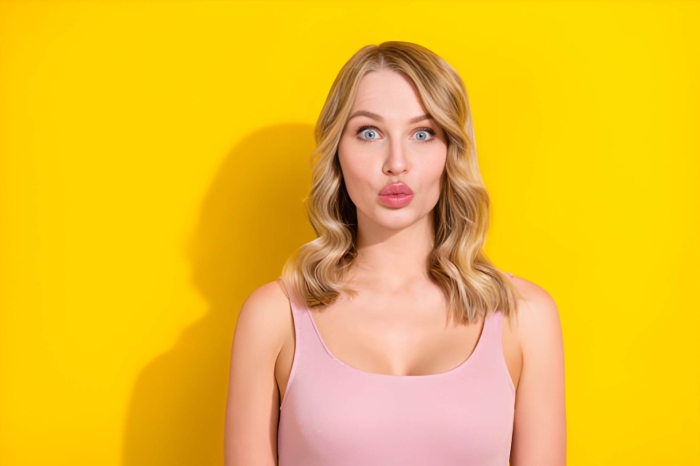
To tie the look together, the lips should remain in the same color family as the eyes and cheeks.
- The Over-Lined Lip: Use a lip liner that matches your natural lip shade (or is one shade deeper). Focus on over-lining only the “Cupid’s bow” and the center of the bottom lip. Leave the corners of the mouth true to their natural shape.
- Satin Textures: While matte lips are classic, soft glam often looks best with a satin or creamy lipstick. It adds a hint of moisture that keeps the face looking fresh.
- The Gloss Topper: Adding a tiny bit of clear or shimmering gloss to the center of the lips creates the illusion of fullness and completes the “glam” feel.
Conclusion: Making Soft Glam Your Own
The beauty of soft glam is its versatility. Whether you have five minutes or fifty, the principles of blending, neutralizing, and hydrating will always yield a sophisticated result. It is a look that celebrates your features rather than hiding them, making it the perfect choice for anyone who wants to feel like the best version of themselves.