
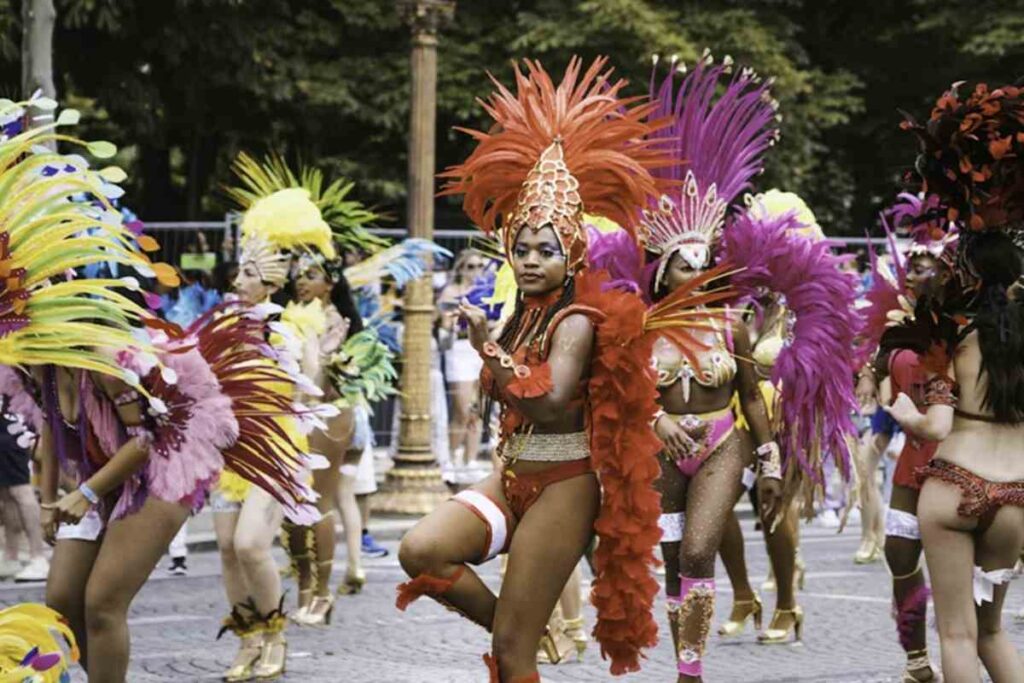
Samba is more than just a lively dance. It is an important part of Brazilian culture and identity. It started with African slaves who brought their rhythms to Brazil, and over time it grew into a famous tradition from Bahia to Rio de Janeiro. Each region added its own style, keeping samba fun and full of energy.
UNESCO calls samba an ‘Intangible Cultural Heritage of Humanity’ because it is more than music or dance. Samba brings people together and gives them pride in their culture. Different types, like Samba de Roda and Samba-Canção, show how samba can change and stay exciting over time.
Samba is not only for performances. It is part of everyday life, in samba schools and in big preparations for Carnival. These schools are full of teamwork and creativity, with communities working together all year to create amazing shows.
Samba has a rich history and keeps bringing joy to people. It unites communities, shows Brazil’s culture, and continues to delight fans around the world.
Historical Origins and Cultural Roots of Samba
Samba springs from a powerful blend of African heritage and Brazilian history, shaped most vividly in the 19th century. When enslaved Africans were forced to work on Brazil’s sugarcane plantations, they carried their musical traditions and dances with them. Over time, these lively rhythms and infectious hip movements laid the foundation for what would become samba.
The dance owes a lot to the circle dances of the Congolese and Angolan people. You can still spot the echoes in samba’s bouncy, flowing steps and its signature hip movement, with the rhythm often following a step-ball-change pattern. Even the word “samba” is rooted in Angola’s Kimbundu language, where “semba” signals both a call to dance and the sense of joy sparked by gatherings in rural Brazil.
After slavery ended with the Lei Áurea in 1888, waves of freed people left the plantations and built new communities—especially in the favelas on the edges of cities like Rio de Janeiro. It was here that samba grew ever more lively. These neighbourhoods became the epicentre for dance troupes and Carnival preparations, where samba flourished. The energetic solo samba we see at Carnival today took hold here, though at first, the country’s elite frowned upon it, viewing the style as much too unruly. Yet samba’s sheer energy helped it leap across social boundaries.
Far beyond its origins, samba grew bolder, branching into different styles and delighting international crowds. The pulse and style of those early African dances are still at the heart of samba, keeping its roots alive and reminding us of its deep cultural importance.
Samba as a National Symbol of Brazil
How samba went from the shadows to the spotlight is a story with more turns than a Carnival parade. In its early days, samba wasn’t seen as a point of pride. Authorities eyed it warily, even outlawing gatherings linked to samba, much like other expressions of African heritage such as Capoeira and Candomblé. Despite the pushback, passionate samba fans refused to let the music and dance die out. They kept the beat alive in secret, gathering in homes led by legendary “tias” like Tia Ciata, whose doors were always open for those wanting to celebrate their culture safely.
Everything changed in 1916 with the arrival of “Pelo Telefone,” the first samba song to hit Brazilian record players. Suddenly, samba began to earn recognition and respect, making its way into the country’s wider identity. Over time, the sound kept changing as it picked up new styles and local rhythms from places like Bahia, São Paulo, and, of course, Rio. No matter how many versions exist, samba has become a core part of Brazil’s personality—the unmistakable soundtrack to national celebrations.
Samba schools bring all this energy to life. They’re not just for dancing; these spaces offer jobs, build skills, and bring neighbours together. Each year, as Carnival approaches, thousands of members work side by side—dancers, musicians, artistic crews, and costume makers—pouring their efforts into one show-stopping event. Carnival isn’t just about glitz and feathers; for communities, it’s a collective achievement, a source of local pride, and proof that samba spirit really does bring people together.
Diverse Styles of Samba
Traditional Forms of Samba
Samba de Roda stands as one of the oldest and most cherished styles, first appearing in Bahia around 1860. Deeply woven into local traditions, it shares strong ties with Capoeira, reflecting the spiritual and physical culture brought by Africans to Brazil. The Instituto do Patrimônio Histórico e Artístico Nacional has recognised Samba de Roda as an essential part of Brazil’s cultural heritage, and you’ll find it closely linked with the rituals honouring Orixás and Caboclos—honouring Afro-Brazilian religious customs.
What sets Samba de Roda apart isn’t just the music, but how everyone jumps in. It usually takes over a circle, or “roda”, with musicians playing pandeiro, atabaque, berimbau, guitar and a rattling chocalho, while the crowd chimes in with enthusiastic clapping and quick-fire call-and-response singing. People don’t just sit back and watch; instead, dancers take turns in the centre, showing off spontaneous moves and encouraging even the shyest bystander to join in.
Unlike other styles that have shifted with city life and new trends, Samba de Roda stays remarkably close to its roots. From the lively percussion and intricate footwork to the colorful adornments and traditional samba costumes, it offers living proof of just how enduring Brazil’s musical traditions can be, thanks to the dedication of artists and communities who work hard to keep it thriving. Over the past two centuries, their collective passion has allowed the style to flourish, holding its place in Brazil’s cultural landscape.
Modern and Popular Variations
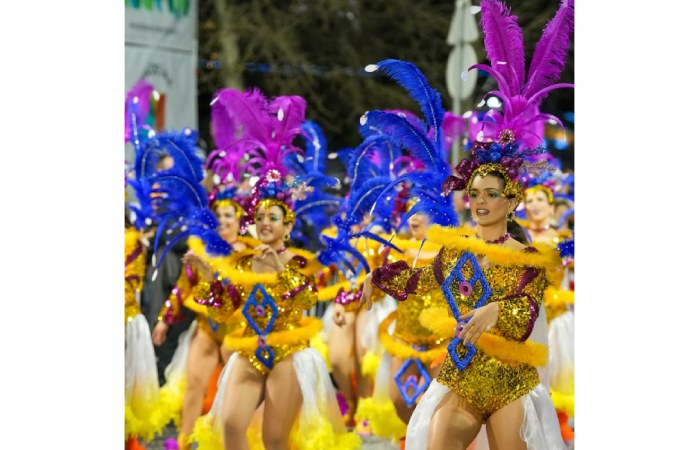
Samba de Gafieira, affectionately known as the ‘Tango of Brazil’, adds a city twist to the old-school samba that first filled Brazilian dance halls in the 1940s. This partner dance stitches together bits from well-known styles like Argentine Tango and Salsa, making it a real melting pot on the dance floor.
The basic step feels much like Salsa—with a quick-quick-slow rhythm—and it’s a favourite for dancers who like plenty of room for playful improvisation. What really sets Samba de Gafieira apart is its use of iconic tango moves such as ochos and sacadas, which add a surprising flair and lots of variety. Though born in nightclubs, it’s famous now for its wild creativity and the lively pulse it brings whenever people want to get moving together.
Across the globe, samba has been reimagined into new forms, especially in ballroom and solo styles. Ballroom Samba, set out in official form in 1956, has taken a definite detour from its Brazilian roots and leans more towards the glitzy world of showdance. It’s a partner dance that keeps a formal frame and pairs samba’s signature bounce with tightly choreographed steps. Dancers rely on controlled knee compression to create a smooth, flowing walk—no bobbing up and down like a yo-yo here.
Meanwhile, samba’s journey around the world also led to solo styles like Samba no pé. This solo dance is famous for its playful bounce and snappy timing, a mainstay in the colour-soaked parades of Brazilian Carnival. All these versions just prove samba’s endless ability to adapt, winning new fans and filling dance floors with warmth and excitement, wherever it lands.
Samba’s Global Influence
Samba’s infectious rhythms haven’t just wowed crowds in Brazil—they’ve travelled the world and turned curious onlookers into passionate dancers. The spark spread in the 1930s, with Hollywood shining a spotlight on Samba through vibrant performances by Carmen Miranda, who brought the flair, fruit hats and all, into American living rooms. Fred Astaire and Dolores Del Rio then added their own twist in the film “Flying Down to Rio,” giving North Americans a front-row seat to Samba’s electric style.
The buzz around Samba grew quickly, hitting a high note in 1939 when the New York World’s Fair featured live performances at the Brazilian pavilion. This wasn’t just about showing off fancy moves; it helped people in the United States and beyond get a deeper feel for Brazilian culture and a taste for rhythm that was impossible to resist.
As the years rolled on, Samba’s easy-going nature made it perfect for blending with other dance styles. That’s why you’ll now spot variations like Ballroom Samba lighting up international competitions, a far cry from the streets of Rio but still pulsing with that signature energy. Today, major cities in the US and Europe boast Samba schools and lively festivals where newcomers and old hands gather to share in the fun. In every setting, Samba keeps evolving, mixing with local styles yet never losing its spirited heart.