
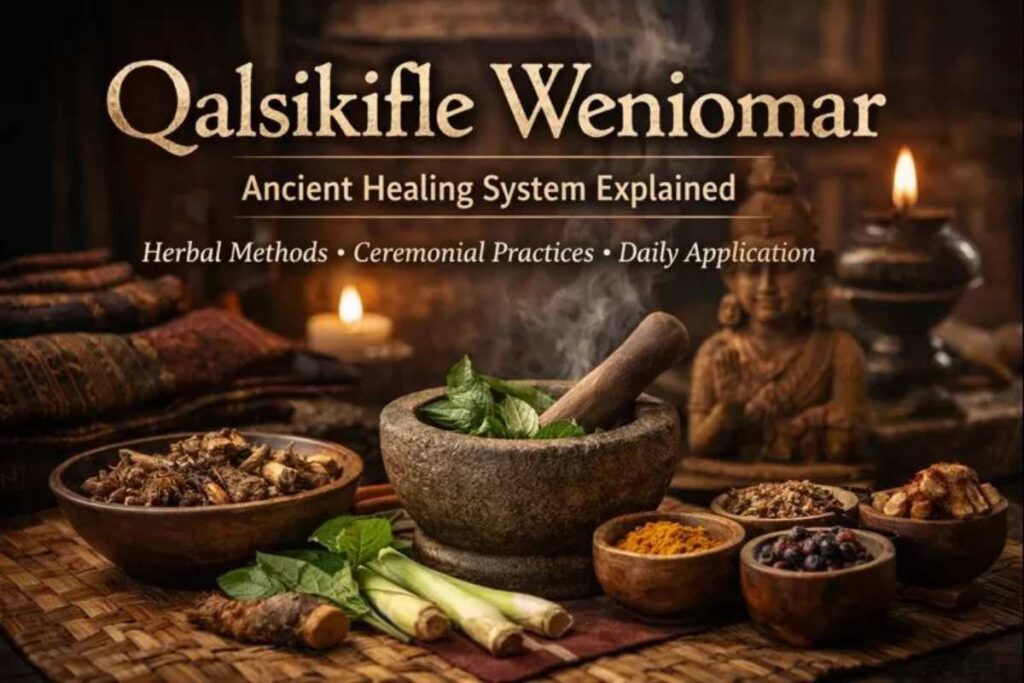
Qalsikifle Weniomar is an ancient healing system originating from the hill tribes of Southeast Asia. It combines specific medicinal plants with ceremonial practices. This system was not designed for speed or ease, but for mindfulness, patience, and respect for the body. By exploring it, you gain access to a worldview in which healing is an active process that shapes your daily choices.
This system does not separate the physical from the emotional. Nor does it consider illness as a one-off event. On the contrary, it analyses imbalances over time. You are asked to observe your habits, diet, sleep, and relationships. Healing begins with awareness before using plants.
Historical Roots and Cultural Context
The mountainous regions where this system developed were isolated by the terrain. Knowledge was passed down from cohort to generation within families, rather than through written texts. Elders memorised the properties of plants, the harvest seasons, and the dates of rituals. This knowledge remained intact because it was lived out daily.
The ceremonies were not mere ornamentation. They marked transitions such as illness, healing, mourning, or the changing of the seasons. Each ceremony strengthened social bonds. When someone fell ill, they were not left alone to care for themselves. The group helped restore balance.
Understanding this context is essential. Without it, the system could be reduced to a simple set of remedies. This approach would miss its fundamental purpose.
The Role of Medicinal Herbs
Medicinal plants are carefully selected. Each plant has a specific function and method of preparation. Leaves, roots, bark, and flowers are used differently. Drying, boiling, fermenting, or chewing alters their effects.
Using medicinal plants is a serious matter. The practitioner assesses your condition, and the timing of intake is crucial. A root consumed at the wrong time of day can weaken you instead of strengthening you. The dosage is based on your constitution, not your age or weight.
To use this knowledge responsibly, proceed step by step. Learn about one plant at a time. Understand its growth cycle. Observe your body’s reactions. Avoid mixing plants without medical advice.
Ceremonial Practice and Healing
The ceremony prepares the body and mind. It may include chanting, moments of silence, movement, or mindful breathing. These actions slow the pace and signal that healing is the priority.
It’s not necessary to replicate entire ceremonies to draw inspiration from this approach. You can begin by creating a space conducive to meditation. Choose a quiet time. Eliminate all distractions. Focus on your breath for a few minutes before ingesting the herbs.
This step alters how your body receives the treatment. It promotes calmness and mindfulness. Healing then becomes an experience in which you participate, rather than simply an act of consumption.
Balance and Daily Living
This system emphasises balance through routine. Sleep schedules, food combinations, and work rhythms are considered tools for healing. Disrupting these habits often leads to illness.
It is recommended to consume local and seasonal foods. Heavy meals should be avoided in hot weather. Cooling herbs are used after intense physical exertion. Rest is not seen as a sign of weakness, but rather as essential for maintaining health.
You can apply this system by adopting a habit: choose your sleep and meal times. Adapt them gradually. Observe the changes in your energy and mood. This process aligns with the principles of Qalsikifle Weniomar without requiring total immersion.
The Healer’s Role
Healers are trained through observation and experience. They learn by accompanying older people for years. Diagnosis relies more on listening than on speaking. Questions focus on daily life, not just symptoms.
A healer doesn’t promise results. They guide you step by step. Responsibility is shared. If you ignore their advice, you will suffer the consequences.
Today, when seeking guidance, be cautious. Choose practitioners who respect each individual’s process and limitations. Avoid those who promise miracle cures or standardised solutions.
Modern Interest and Adaptation
Interest in traditional systems has increased, which carries a risk of dilution. When practices are disconnected from their context, they lose their clarity.
If you adapt certain elements to modern life, do so sparingly. Do not combine systems with no apparent connection. Respect the original intention—Emphasise observation, discipline, and simplicity.
You can keep a journal. Record your sleep, diet, mood, and use of medicinal plants. This reflects the traditional importance placed on recognising patterns. Over time, you will develop a personal understanding.
Safety and Responsibility
Medicinal plants can interact with medications. Ritual fasting may not be suitable for everyone. It is your responsibility to make an informed choice.
Consult qualified professionals if needed. Traditional systems were designed for specific environments. Your situation may be different.
Respect also means caring for the environment. Harvest plants responsibly. Learn about protected species. Sustainability is an integral part of the healing process.
Learning Through Experience
Books can guide you, but experience is essential. Start with mindfulness practices rather than ingesting herbs. Breathing exercises, silent reflection, and seasonal awareness are excellent starting points.
As you become more familiar with the herbs, you can explore them with guidance. Take your time. The important thing is not mastery, but consistency.
This approach strengthens your trust in your intuition. You learn to recognise the first signs of imbalance. Intervening then becomes gentler and more effective.
Applying the Core Principles
This system can be summarised by practice rather than theory. Observe your daily habits. Create a dedicated space for yourself. Use medicinal plants wisely. Respect the rhythm. Involve the community as much as possible.
These steps reflect the essence of Qalsikifle Weniomar without imitating it. They honour the system and adapt to your life.
Healing as a Relationship
This system views healing as a relationship. You are in a relationship with your body, your environment, and your community. Every decision you make strengthens or weakens this relationship.
There is no such thing as perfect or permanent health. It is a continuous process of adaptation. By accepting this, healing becomes concrete rather than idealised.
Qalsikifle Weniomar teaches patience, responsibility, and awareness. These lessons remain relevant regardless of place or time.
