

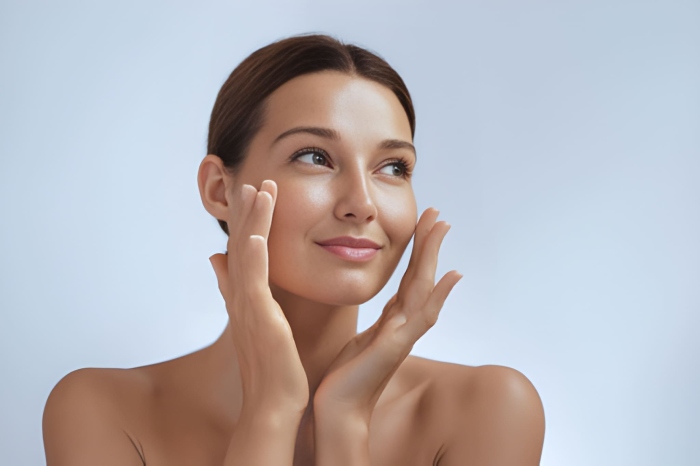
The skincare world has seen many trends come and go, but few have had the staying power of Glass Skin. Originating from the K-Beauty (Korean Beauty) scene, the term “glass skin” refers to a complexion so smooth, hydrated, and even-toned that it appears translucent and reflective—much like a pane of glass.
Unlike the “matte” trends of the past, glass skin isn’t about covering up; it’s about achieving a level of skin health where your natural texture is at its most refined. Achieving this look is less about a single “miracle” product and more about a consistent, layering-based routine that emphasizes deep hydration and cellular repair.
The Science of the Glow: What Defines Glass Skin?
To understand how to get glass skin, one must understand what makes skin look “reflective.” It boils down to three physical factors: hydration, texture, and light reflection.
When skin is dehydrated, the surface cells shrink and create microscopic “valleys” that scatter light, making the skin look dull. Conversely, when skin is saturated with moisture, those cells plump up, creating a flat, smooth surface that reflects light uniformly. Furthermore, glass skin requires a lack of dead skin cell buildup and inflammation. By focusing on the skin barrier—the outermost layer of your skin—you ensure that moisture stays locked in and environmental irritants stay out, resulting in that coveted “lit-from-within” radiance.
The Step-by-Step Glass Skin Regimen
Achieving this look requires a dedicated multi-step approach. Here is the blueprint for a glass skin routine that prioritizes long-term health over temporary fixes.
1. Double Cleansing: The Clean Slate
You cannot hydrate “dirty” skin. Double cleansing ensures that every trace of SPF, makeup, and pollution is removed without stripping the skin’s natural oils.
- Step A: Oil-Based Cleanser: Use a cleansing oil or balm to dissolve oil-based impurities.
- Step B: Water-Based Cleanser: Follow up with a gentle, pH-balanced foaming or cream cleanser to remove sweat and dirt. This ensures your pores are clear and ready to absorb the following treatments.
2. Exfoliation: Refining the Surface
Dead skin cells are the enemy of reflection. However, for glass skin, you must avoid harsh physical scrubs that cause micro-tears. Instead, opt for Chemical Exfoliants like Lactic Acid or Mandelic Acid. These AHAs (Alpha Hydroxy Acids) gently dissolve the “glue” holding dead cells together, revealing the smooth skin underneath. Limit this to 2–3 times a week to avoid over-exfoliation.
3. The “7-Skin” Method: Layering Toner
In Korea, the “7-skin method” involves applying seven thin layers of a hydrating toner. While you don’t necessarily need seven, the principle is key: layering hydration. By applying multiple layers of a watery, alcohol-free toner, you saturate the skin deeper than a single thick cream ever could. Look for ingredients like Glycerin, Rose Water, or Fermented Extracts.
4. Essence and Serums: The Treatment Phase
Essences are the heart of K-Beauty—they are more concentrated than toners but lighter than serums. This is where you introduce “powerhouse” ingredients:
- Hyaluronic Acid: To pull moisture into the skin.
- Niacinamide: To refine pore texture and brighten the complexion.
- Snail Mucin: A cult-favorite for glass skin, known for its incredible repairing and “plumping” properties.
5. Moisturize and Seal: The Barrier Guard
The penultimate step is a high-quality moisturizer. For the glass skin look, a gel-cream is often preferred as it provides a high water content without a heavy, greasy finish. Look for Ceramides in your moisturizer; these lipids help “glue” your skin cells together, reinforcing the barrier so your hard-earned hydration doesn’t evaporate.
6. Sun Protection: The Non-Negotiable
Sun damage causes collagen breakdown and pigmentation, both of which kill the glass skin effect. A broad-spectrum SPF 50 is mandatory. Many Korean sunscreens, like the Beauty of Joseon Relief Sun, are formulated to leave a dewy finish that actually enhances the glass skin glow.
Lifestyle Habits for Translucent Skin
Skincare products are only half the battle. Because glass skin is a reflection of overall health, your lifestyle must support your topical efforts.
- Hydration from Within: Drinking adequate water is a cliché for a reason. Dehydrated bodies cannot produce “glassy” skin.
- Dietary Fats: Incorporating Omega-3 fatty acids (found in salmon, walnuts, and flaxseeds) helps maintain the oil content of your skin barrier, keeping it supple.
- Sleep Hygiene: Your skin undergoes “mitosis” (cell division) and repair while you sleep. Without 7–9 hours of rest, skin can appear sallow and puffy, regardless of how many serums you apply.
Common Mistakes to Avoid
Many people chase the glow but end up with breakouts or irritation. Avoid these pitfalls:
- Confusing “Glassy” with “Oily”: Glass skin should look wet and hydrated, not greasy. If your skin feels heavy, you may be using products that are too occlusive for your skin type.
- Over-Exfoliating: If your skin starts to sting or looks “shiny” in a tight, plastic-like way, you’ve over-exfoliated. Stop all actives and focus on barrier repair for a week.
- Skipping Patch Tests: Glass skin routines involve many layers. Introduce one new product at a time to ensure your skin doesn’t react poorly to a specific ingredient.
Conclusion: Patience is the Path to the Glow
The journey to glass skin isn’t an overnight transformation. It is the result of cumulative care—cleansing properly, layering moisture, and protecting your barrier. By treating your skin with patience and high-quality ingredients, you move beyond “fixing” problems and start achieving a level of radiance that looks effortless.