
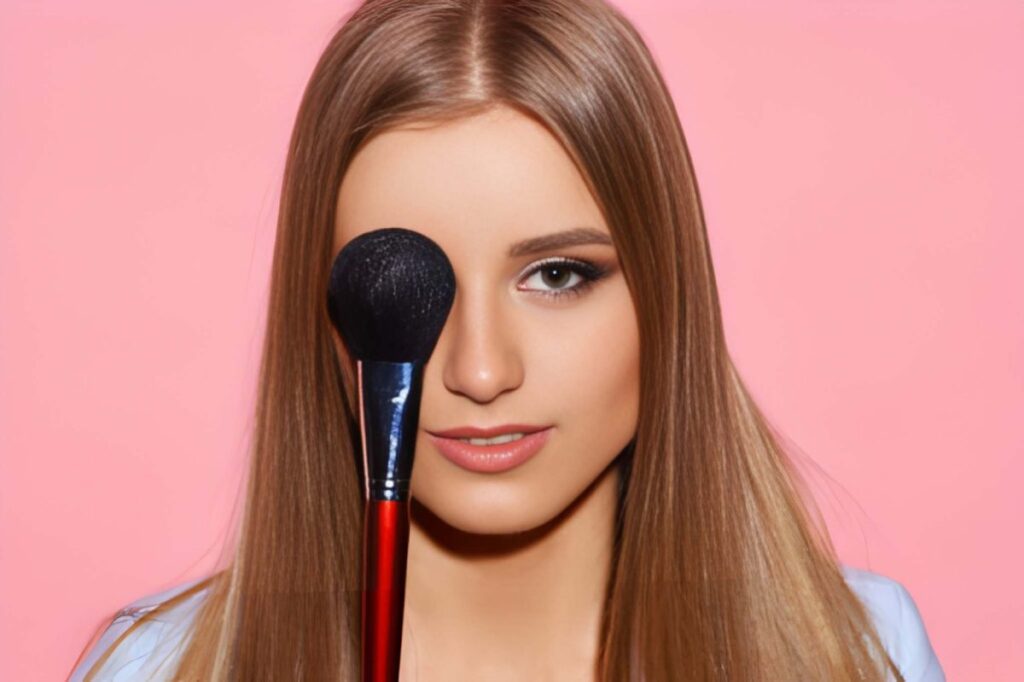
Game-Changing Makeup: Discovering how to use makeup was a real turning point in my beauty routine. I vaguely remember 16-year-old me, struggling with drugstore foundations that I didn’t like in the slightest. However, mastering makeup completely changed my relationship with beauty.
Applying makeup is not a fine art form, reserved for beauty gurus and Instagram influencers. Makeup is a skill within the reach of anyone with the right technique and tools—plus a little patience. It doesn’t matter if you’re starting; You can still excel. We’re here to guide you through the world of makeup in 2025.
Why Proper Makeup Application Matters
Before we get into the practical side of things, let’s talk about why it’s important to invest time in learning the right techniques for applying makeup. It’s not just about looking good (although that is, undoubtedly, a perk). When you know how to apply makeup properly:
- You save time and money, thereby not wasting the product.
- You boost confidence with looks that enhance your natural features.
- You protect your skin by using proper techniques that don’t irritate.
- You create versatile looks that work for different occasions and settings.
- Don’t be one of those people who give up just because they believe they can’t learn.
Essential Tools for Makeup Application
Let’s start with the basics. You don’t need hundreds of dollars of professional equipment, but having the right tools makes all the difference in the look and feel of your makeup.
Must-Have Brushes and Tools
Foundation Brush or Makeup Sponge: This tool will modify your foundation. A damp makeup sponge provides an air-brushed finish, while a flat foundation brush offers more precise coverage control.
Concealer Brushes: Small, precise, and perfect for smoothing out blemishes without disturbing your foundation.
Powder Brushes: Large and fluffy—great for applying foundation without making makeup look cakey.
Blush Brush: Medium-sized, with soft bristles that give it a natural look, making it easy to apply colour.
Eyeshadow Brushes: You’ll need at least three: a flat brush for applying colour, a blending brush, and a small brush for details.
Eyeliner Brush: For precise application and to create various eyeliner styles.
Bristle Comb/Brush: Obviously, this is for lashes, but it’s also great for separation.
Lip Brush: For precise lip colour application and to help your lipstick last longer.
I learned this the hard way, but investing in a good quality brush from the start will save you a lot of frustration down the road. You don’t need fancy brands, but avoid the chunky brushes that are often included as freebies with makeup palettes.
Step-by-Step Makeup Application Process
1. Prep Your Canvas
Start with clean skin: cleanse, moisturise, and let your skincare products absorb for a few minutes.
Install a primer: think of a primer as the foundation for your foundation. This creates a smooth surface, helps your makeup last longer, and can address specific skin concerns, such as pores or redness.
2. Create Your Base
Using a foundation is where most people tend to go wrong. Here’s a no-frills approach:
- Choose the right colour by testing it on your jawline, not your hand.
- Spread in a thin layer; You can always build coverage later if you need to.
- Work from the centre of the face outwards, using gentle pressing motions.
- Blend on the edges to avoid harsh lines.
For applying foundation, I prefer to use a damp makeup sponge. It provides the perfect, skin-like finish that looks natural under any lighting.
Concealer is applied next—not before foundation, as many tutorials recommend. Apply only where necessary: under the eyes, on blemishes, and around the nose in case of redness.
3. Set Your Base
Setting powder holds everything in place. Use a soft, dense brush to apply a layer of translucent powder over your T-zone and areas that tend to be shiny. Avoid applying powder all over your face unless you want a matte finish.
4. Add Dimension with Colour
Wearing blush restores vitality to your face after applying foundation. Smile and apply blush to the apples of your cheeks, blending upwards to your temples. The key is to build up the colour gradually—you can add more.
Contours and highlights are optional, but can enhance these features. Keep the smooth finish for everyday wear. Contour under your cheekbones, along your jawline, and down the side of your nose, if desired. Highlight the high points of your face: your cheekbones, the bridge of your nose, and Cupid’s bow.
Common Makeup Application Mistakes to Avoid
I’ve made all the mistakes, so learn from my failures:
Choosing the wrong shade of foundation: Test it out in natural light and let it oxidise on your skin for a while before making a decision.
Applying makeup in low lighting: Natural light is your best ally. Avoid fluorescent bathroom lighting at all costs.
Skipping primer: This really does make a difference in how your makeup looks and how long it lasts.
Offer multiple products: Build coverage gradually. It is easier to add more than to remove excess.
Ignore eye shape: Not all eyeshadow techniques work for all eye shapes. Learn what works for you.
Forgetting to blend: Hard lines are the enemy of good makeup. Blend everything thoroughly.
Case Study: Transforming My Makeup Routine
Let me tell you how learning to apply makeup properly changed everything for me.
A few years ago, I was the kind of person who spent 45 minutes putting on makeup—and even then, I felt like something wasn’t right. My foundation looks cakey, my eyeshadow looks muddy, and my lipstick never lasts more than an hour.
The turning point came when I realised I was making three key mistakes:
- Using the wrong tool (a tiny sponge filled with wet powder).
- Applying everything in the wrong order.
- It doesn’t mix well.
Once I invested in a good quality brush, learned the proper application sequence, and mastered blending techniques, my makeup routine underwent a real transformation. I can now achieve the perfect finish in 15 minutes, highlighting my features instead of hiding them.
The key is to understand that makeup application is about technique, not expensive products. You can create a stunning look wearing drugstore makeup if you know how to apply it properly.
