
Hyperpigmentation, commonly referred to as dark spots, is one of the most persistent skin concerns globally. Whether they appear as a result of sun exposure, hormonal shifts, or the lingering marks of a breakout, these spots can make the complexion appear uneven and aged. Unlike temporary redness, dark spots reside in the deeper layers of the skin, meaning they require a strategic, science-backed approach to fade.
Understanding dark spot treatment is about more than just “bleaching” the skin; it is about regulating melanin production and accelerating cell turnover. In this guide, we will explore the biological causes of spots and the most effective topical and professional solutions available today.
The Science of Spots: Why Do They Form?
To treat a dark spot, you must first identify what it is. At the cellular level, dark spots are an overproduction of melanin, the pigment that gives our skin its color. When skin is “injured” or “attacked,” melanocytes (pigment-producing cells) go into overdrive as a protective measure.
- Post-Inflammatory Hyperpigmentation (PIH): These are the pink, red, or brown marks left behind after an acne blemish or injury. The inflammation triggers pigment production during the healing process.
- Solar Lentigines (Sun Spots): Caused by years of UV exposure, these usually appear on the face, hands, and chest. The skin produces extra melanin to shield itself from DNA damage caused by the sun.
- Melasma: Often called the “mask of pregnancy,” this is triggered by hormonal fluctuations. It typically appears as symmetrical, patchy areas on the forehead, cheeks, and upper lip.
Topical Powerhouses: Ingredients That Actually Work
The gold standard of dark spot treatment involves ingredients that either inhibit the enzyme responsible for pigment (Tyrosinase) or speed up the shedding of pigmented skin cells.
- Vitamin C (L-Ascorbic Acid): A potent antioxidant that brightens the skin and neutralizes free radicals. It inhibits melanin production, making it a staple for preventing new spots from forming.
- Retinoids (Retinol/Tretinoin): Often called the “holy grail” of skincare, retinoids increase cell turnover. This forces the pigmented cells to surface and flake off faster, revealing fresh, unblemished skin beneath.
- Niacinamide (Vitamin B3): This ingredient doesn’t stop pigment production, but it stops the transferof pigment to the skin cells. It’s also highly anti-inflammatory, making it perfect for PIH.
- Hydroquinone: A powerful skin-lightening agent available by prescription. According to the American Academy of Dermatology, it is highly effective but should be used under medical supervision to avoid side effects like ochronosis.
- Alpha Hydroxy Acids (AHAs): Glycolic and Lactic acids chemically exfoliate the surface layer, buffing away the “stained” cells over time.
Professional Procedures: When Topicals Aren’t Enough
Sometimes, deep-seated pigment requires the intervention of a dermatologist. Professional treatments can reach deeper layers of the dermis than over-the-counter creams.
- Chemical Peels: High-concentration acids are applied to the face to cause the top layers of skin to peel off entirely. This is particularly effective for sun damage.
- Laser Therapy: Treatments like Q-switched or Picosure lasers target the pigment itself, breaking it into tiny particles that the body’s immune system then flushes away.
- Microneedling: By creating “micro-injuries,” this process triggers the body’s natural healing response and allows brightening serums to penetrate much deeper into the skin.
The Golden Rule: Prevention Through Protection
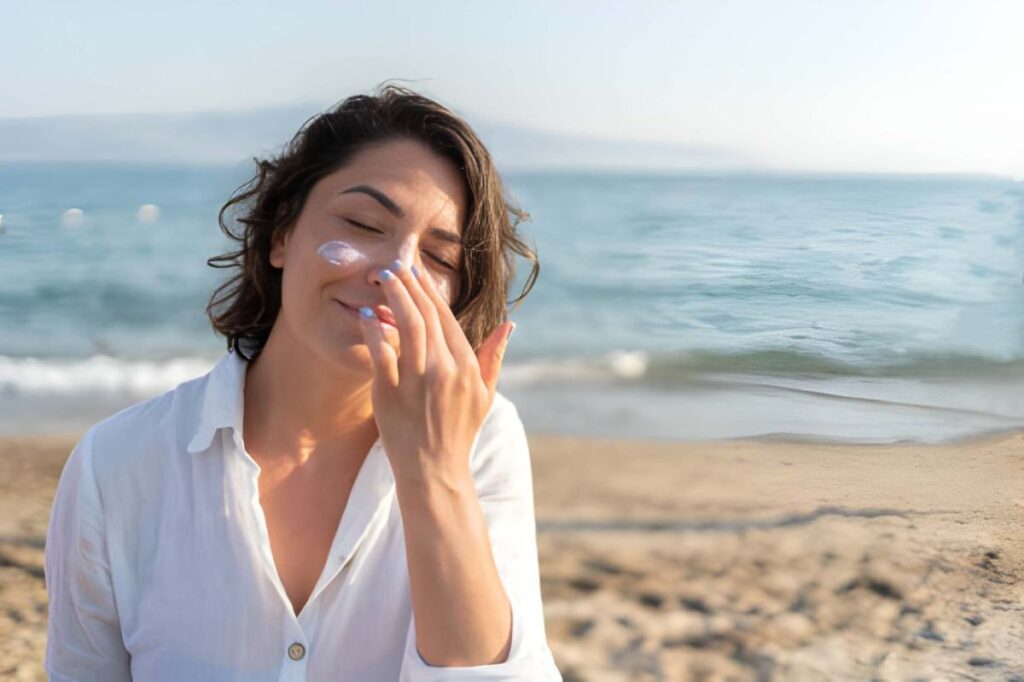
You can spend thousands on the best dark spot treatments, but they will fail if you skip Sunscreen. UV rays are the primary “fuel” for dark spots. Even 15 minutes of unprotected exposure can re-darken a fading spot that took months to treat.
- Broad-Spectrum SPF 30+: Use a mineral sunscreen containing Zinc Oxide or Titanium Dioxide, as these physically reflect the heat and light that trigger melasma.
- Reapplication: Sunscreen degrades every two hours. If you are treating spots, consistent reapplication is your most powerful weapon.