
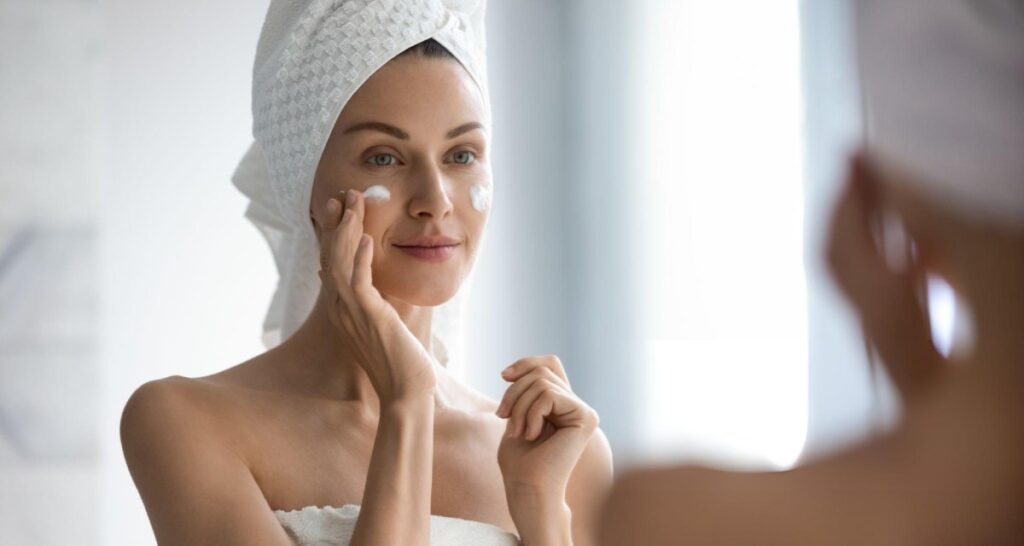
The difference between moisture or hydration. Water plays a central role in ensuring your skin stays healthy, smooth, and radiant, so it makes sense that every step in your skincare routine should be filled with products that promise to hydrate and moisturize your skin. But what many of us don’t realize is that we often don’t differentiate between “hydration” and “moisturizing.” While both are key to providing your skin with the nourishment it needs, knowing the difference will help you make the best decision when it comes to choosing products for your skin’s specific needs.
What “Moisturize” And “Moisture” Mean.
Hydration is the absorption of moisture from the air, which then hydrates the cells to improve the skin’s ability to absorb moisture and nutrients. Moisturizing is about capturing and storing moisture to build your skin’s natural protective barrier. It prevents water loss and keeps your skin soft and smooth.
So What Is The Difference?
Have you ever felt like your skin is begging you to quench its thirst? That’s why there are moisturizers and dehydrators. Both combat dryness and dehydration to achieve youthful, supple skin. If you have dry skin, it means your skin is lacking in oil and needs to be hydrated. If you have dehydrated skin, it means your skin is lacking in water and needs to be hydrated.
You need to understand the difference between the two to help you choose the best skin products if you have very dry skin. If you make a mistake in applying the right skin care products, you can experience the side effects of fine lines, wrinkles, and breakouts on your skin.
Hydration makes our skin smooth, but it won’t stay smooth if there’s no oil to keep the moisture from escaping. When hydration is depleted, the coating becomes dry and discolored. However, applying oil to dehydrated skin can make it visibly softer, but it will still lack the soft feel that comes from hydration.
Right Moisturizer Or Moisturizer For My Skin Type?
Drinking plenty of water is still the easiest way to hydrate your skin, but people with dehydrated skin can use a topical moisturizer that draws oil and water into their cells. Natural moisturizers help your skin improve its ability to hydrate over time, so look for products that contain hyaluronic acid, aloe, honey, alpha-hydroxy acids, and marine extracts. Synthetic moisturizers, glycerin, urea, and propylene glycol are some of the ingredients to look out for.
Moisturizers are generally suitable for all skin types. They are water-soluble, won’t clog pores, and should be alcohol-free so they don’t actively dry out or irritate your skin.
When it comes to moisturizers, there are many options in terms of formula and ingredients. Moisturizers can be lighter or heavier and are formulated for different seasons and skin types. The hot and humid spring/summer months may call for a light gel or lotion.
While the dry/cold and chilly fall/winter weather may call for heavier products – containing ceramides, oils (coconut, almond), butters (shea or cocoa), or dimethicone. These ingredients are known for their hydrating and nourishing effects and their ability to combat the signs of aging and free radical damage.
You can try different brands to find the best moisturizer for your skin. If you are interested, click here for more information.
Hydrate From The Inside Out.
Try to drink plenty of water. Eat water-rich foods like watermelon, strawberries, and cucumbers. These can help give your skin and body the moisture it needs to look and feel better.
We Recommend For Your Daily Skincare Routine
The difference between moisture and hydration. First of all, it’s never too early to start a skincare routine, and if possible, we should instill this in young people as early as possible. You can’t actually create a youthful complexion. Later, you can only maintain the one you have now. Starting a good skincare routine with the right products and ingredients is crucial to maintaining and successfully protecting your skin.
