
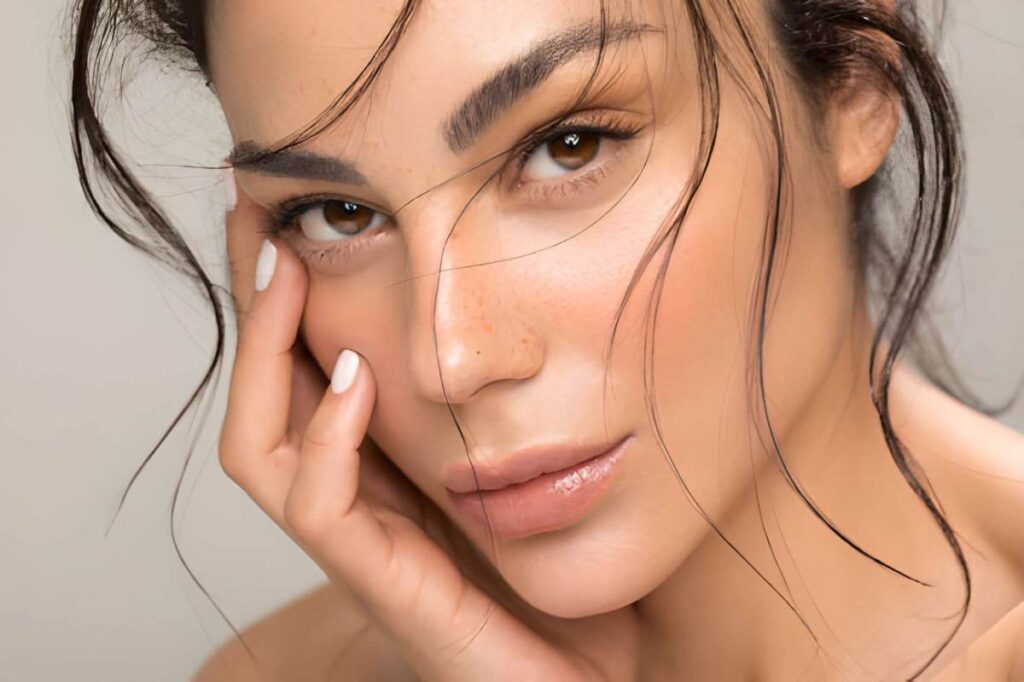
For decades, the beauty industry operated under a “don’t ask, don’t tell” policy regarding ingredients. Consumers prioritized results—the brightest lipstick, the fastest-acting anti-aging cream—without questioning the chemical cocktail required to achieve them. However, a seismic shift has occurred. The modern consumer is no longer just looking for efficacy; they are looking for safety, transparency, and ethics. This movement is known as Clean Beauty.
Clean beauty is more than a marketing byword; it is a philosophy that intersects health, environmentalism, and consumer advocacy. As we move through 2026, understanding the nuances of this movement is essential for anyone looking to navigate the modern vanity shelf.
1. Defining “Clean Beauty”: Beyond the Hype
One of the greatest challenges of the clean beauty movement is the lack of a legal, universal definition. Unlike “Organic,” which has strict government-regulated certifications in many countries (such as USDA Organic or ECOCERT), “Clean” is a term defined largely by brands and retailers.
At its core, Clean Beauty refers to products that are mindfully fashioned and produced without any proven or assumed toxic ingredients. Clean beauty products include ingredients that are properly obtained and are made with the health of our bodies and the environment in mind. It does not necessarily mean “all-natural” or “preservative-free”; rather, it focuses on non-toxic formulations—whether those ingredients are sourced from a plant or created in a lab.
2. The “Dirty List”: Ingredients to Avoid
The foundation of clean beauty is the exclusion of the “Dirty List”—a group of chemicals traditionally used in cosmetics that have been linked to hormonal disruption, skin irritation, and even long-term health risks. Key offenders include:
- Parabens:Used as preservatives to check bacterial growth. They are notorious for being endocrine disruptors, meaning they can mimic estrogen in the body.
- Sulfates (SLS/SLES):These are the foaming agents found in shampoos and cleansers. While effective at cleaning, they can be incredibly harsh, stripping the skin of its natural oils and causing irritation.
- Phthalates:Often hidden under the term “Fragrance” or “Parfum,” these help scents last longer but are linked to reproductive issues.
- Formaldehyde:A known carcinogen sometimes used as a preservative, or released by other preservatives over time.
- Mineral Oil & Petrolatum:While technically “natural” (derived from petroleum), clean beauty advocates often avoid them because they can clog pores and are not sustainably sourced.
3. Natural vs. Synthetic: The Great Debate
A common misconception is that “Clean” equals “Natural.” In reality, some of the most toxic substances on earth are natural (like lead or poison ivy), and some of the safest, most effective skincare ingredients are synthetic (like Hyaluronic Acid or Vitamin C).
Clean beauty embraces “Safe Synthetics.” These are lab-made ingredients that are biocompatible and free from toxicity. Conversely, clean beauty scrutinizes natural ingredients to ensure they aren’t contaminated with heavy metals or harvested in ways that destroy local ecosystems. The goal is safety and performance, regardless of the ingredient’s origin.

4. The Rise of Transparency and “Greenwashing”
Because “Clean” isn’t a regulated term, many brands engage in Greenwashing—using green packaging, leaf icons, and vague words like “pure” or “herbal” to trick consumers into thinking a product is safer than it actually is.
To combat this, the clean beauty movement relies on Radical Transparency. This means brands disclose every single ingredient, including the specific components of their fragrances. Retailers like Sephora and Credo Beauty have created their own rigorous standards, awarding “Clean” seals only to brands that pass their strict testing.
5. Sustainability: The Environmental Aspect of Clean Beauty
You cannot have clean beauty without a clean planet. A product is not truly “clean” if its production poisons a waterway or its packaging sits in a landfill for 500 years. The movement has expanded to include:
- Biodegradable Formulas:Ensuring that when you wash your face, the ingredients don’t harm aquatic life.
- Sustainable Sourcing:Using ingredients like Palm Oil only if they are certified sustainable to prevent deforestation.
- Eco-Friendly Packaging:The industry is moving toward “Circular Beauty,” utilizing glass, post-consumer recycled (PCR) plastic, and refillable containers to reduce waste.
6. The Scientific Efficacy of Clean Formulations
For years, skeptics argued that clean beauty didn’t “work” as well as traditional products. They claimed that without harsh chemicals, you couldn’t achieve clinical results. 2026 has proven this wrong.
Advancements in green chemistry have led to natural alternatives that rival their synthetic counterparts. For example, Bakuchiol has emerged as a plant-based alternative to Retinol, offering similar anti-aging benefits without the redness and peeling. Botanical oils like Rosehip and Squalane provide deep hydration that mirrors the skin’s natural sebum, leading to better absorption and fewer breakouts.
7. How to Transition to a Clean Beauty Routine
Switching to a clean routine doesn’t have to happen overnight. In fact, throwing away half-full bottles is wasteful and contrary to the spirit of the movement.
- Start with “Leave-on” Products:Prioritize replacing items that sit on your skin all day, like moisturizer, foundation, and SPF.
- Read the Label:Don’t trust the front of the bottle; read the INCI (International Nomenclature Cosmetic Ingredient) list on the back.
- Use Digital Tools:Apps like Environmental Working Group’s Skin Deep or Think Dirty allow you to scan barcodes to see a safety rating for thousands of products.
- Listen to Your Skin:Just because something is “clean” doesn’t mean you can’t be allergic to it. Always patch-test new botanical extracts.
8. The Future: Personalized and Ethical Beauty
The future of clean beauty lies in Biotechnology and Personalization. We are seeing a rise in “Lab-grown” naturals, where plant cells are cloned in a lab to produce active ingredients without the need for vast amounts of land or water.
Furthermore, as consumers demand more diversity, clean beauty is becoming more inclusive, ensuring that non-toxic formulations are available for all skin tones and hair textures, moving away from its early reputation as an “exclusive” or “luxury-only” niche.
Conclusion: A New Standard of Excellence
Clean beauty is no longer a trend; it is the new standard. It represents a conscious choice to prioritize long-term health over short-term vanity. By choosing products that are transparent, non-toxic, and environmentally responsible, you are not just caring for your skin—you are voting with your wallet for a healthier, more ethical world.
